Retail and play program services

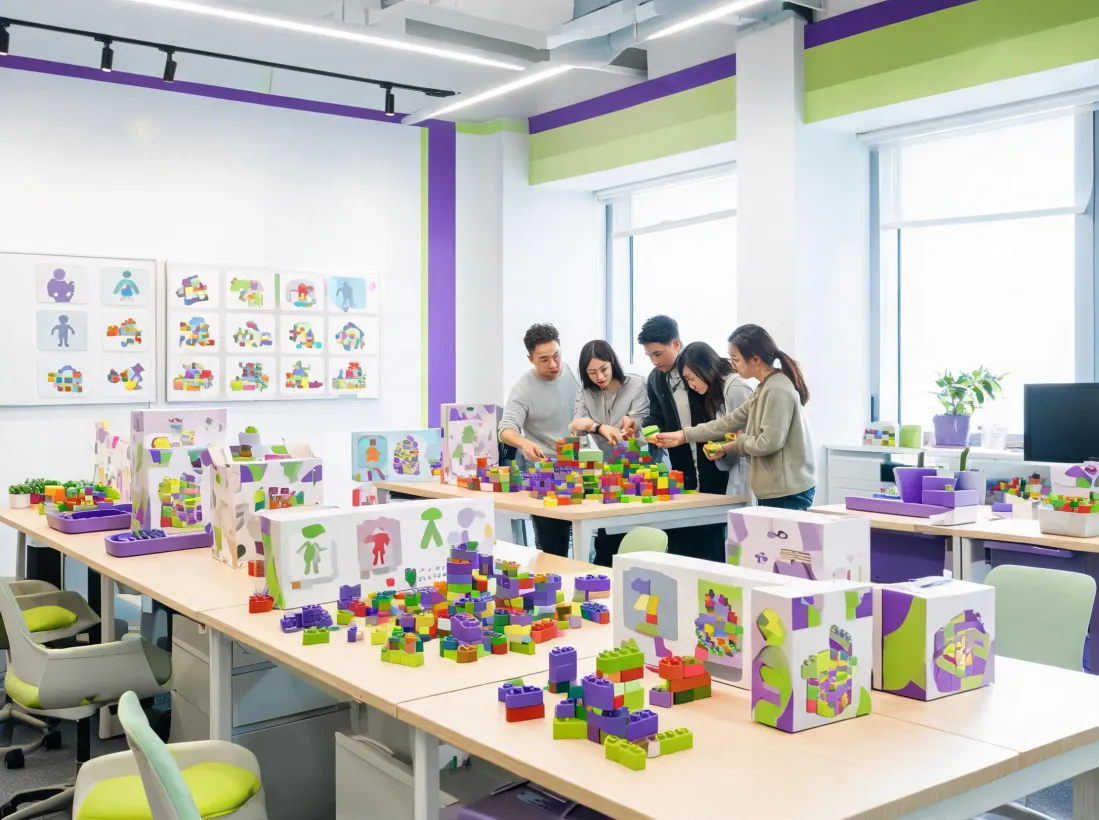
Mega Bloks helps turn building ranges into guided play systems

Our service model is built for teams that need more than a box count. We help map age stages, block formats, character stories, safety documentation, display logic, and launch timing so each range feels coherent from first shelf read to repeat play at home.

Mega Bloks service planning studio
Two-lane support

From assortment logic to playroom feedback

Mega Bloks programs work best when commercial teams and child-development teams stay connected. Our support keeps those conversations practical, visual, and fast enough for seasonal decisions.

01

Assortment architecture

We organize block tubs, build-and-go vehicles, role-play scenes, and activity sets into clear entry, growth, and gift tiers. The goal is a product wall that parents can understand in seconds while buyers still see enough range depth to plan promotions, bundles, and replenishment.

02

Launch readiness

Packaging notes, age-grade callouts, display copy, safety declarations, and demo scripts are reviewed together so a new Mega Bloks story can travel across ecommerce, shelf talkers, catalogs, and social content without losing its developmental promise.

03

Play-pattern review

We translate caregiver observations into practical adjustments: easier first builds, stronger color contrast, better figure prompts, or a simpler vehicle mission. These reviews help preserve delight while removing friction for younger builders.

04

Channel training

Sales, support, and merchandising teams receive short, usable guidance on stage language, safe handling, block compatibility, and gift selection. That gives every conversation the same confident foundation without overloading staff with technical documents.

Questions we solve early

Clear answers before the range goes live

We start with age confidence, not SKU quantity. Entry tubs sit beside simple vehicle builds, then story scenes and bigger projects follow once the child is ready for more parts, more characters, and longer attention cycles.

Yes. The commercial plan separates value cues while the play system remains compatible. A giftable character scene can still connect with a starter tub, which keeps the purchase useful after the special occasion ends.

Typical packs include age-grade rationale, small-parts screening status, material declarations, care language, and market-specific compliance references. We keep those materials linked to the exact play claim being made.

Before service alignment

Teams often receive a colorful product list but still have to guess which sets belong together, which age callouts matter most, and how to explain the learning value without sounding clinical. Launch copy can drift across channels, and parents may see a wall of blocks instead of a path for their child.

After guided planning

The range has a visible ladder: first stack, moving build, story mission, and bigger challenge. Packaging, ecommerce copy, demo language, and buyer notes all point to the same play promise, making the program easier to sell, easier to replenish, and easier for families to love.

Build the brief

Share the age range, channel, and play goal

We will respond with a practical starting point for assortment structure, claim language, and support materials.